


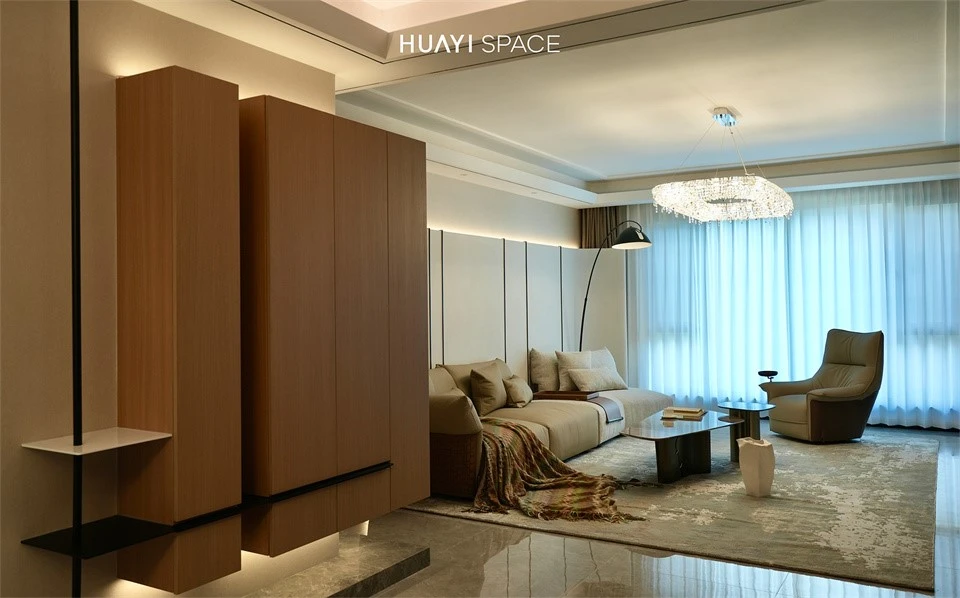
In the highly competitive and saturated furniture market, retailers often face a tempting but dangerous crossroads: engage in a destructive price war or pivot towards premiumization. While low-cost strategies might drive short-term volume, they frequently lead to commoditization, eroded profit margins, and a diluted brand identity. For forward-thinking furniture retailers, the strategic shift towards premium furniture is not merely about raising prices; it is about delivering superior value, fostering emotional connections, and ensuring long-term business sustainability.
Escaping the Trap of Price Wars and Commoditization
The traditional furniture retail model is increasingly threatened by online giants and direct-to-consumer brands that compete primarily on low prices and convenience. Engaging in this race to the bottom severely limits profitability. Premiumization allows retailers to escape this trap by emphasizing quality, innovation, and superior customer experiences rather than competing solely on price. By offering high-end furniture, retailers can achieve higher profit margins with fewer sales, reducing the reliance on high-volume, low-margin transactions. This strategy is particularly effective in mature categories where growth through market penetration is difficult, making the increase of average purchase value a more viable path to revenue growth.
Elevating Brand Identity Through Premium Furniture
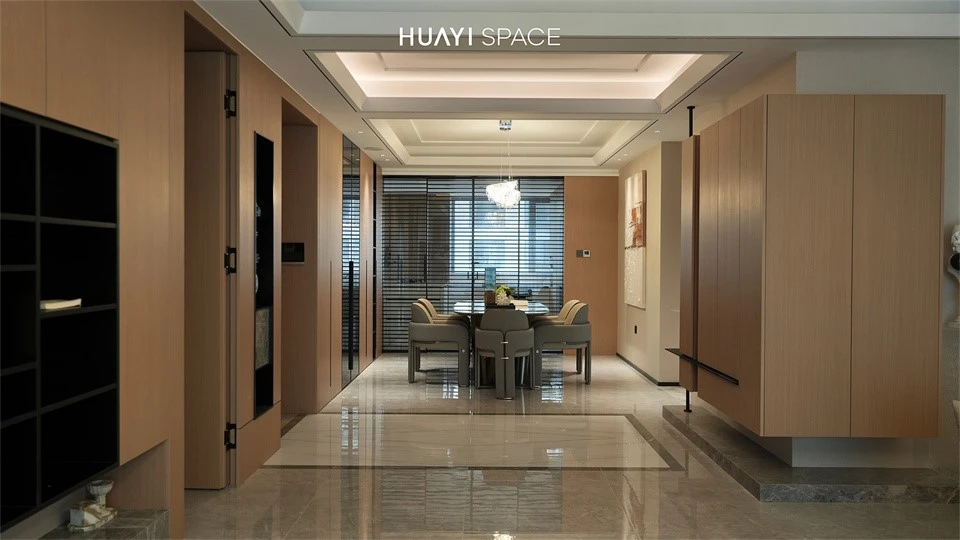
A strong premium brand identity transcends basic product features; it embodies a story, heritage, and an aspirational lifestyle. When retailers focus on luxury furniture or high-end designer furniture, they position their offerings as expressions of art and exceptional design. This approach resonates deeply with discerning buyers who are willing to invest in pieces that reflect their personal style and values. By highlighting artisan skills, handcrafted quality, and unique design philosophies (such as Scandinavian minimalism or eco-luxury), retailers can build a robust brand moat. This emotional connection fosters brand loyalty and transforms a simple transaction into a meaningful investment in the customer's home environment.
Meeting the Evolving Demands of Modern Consumers
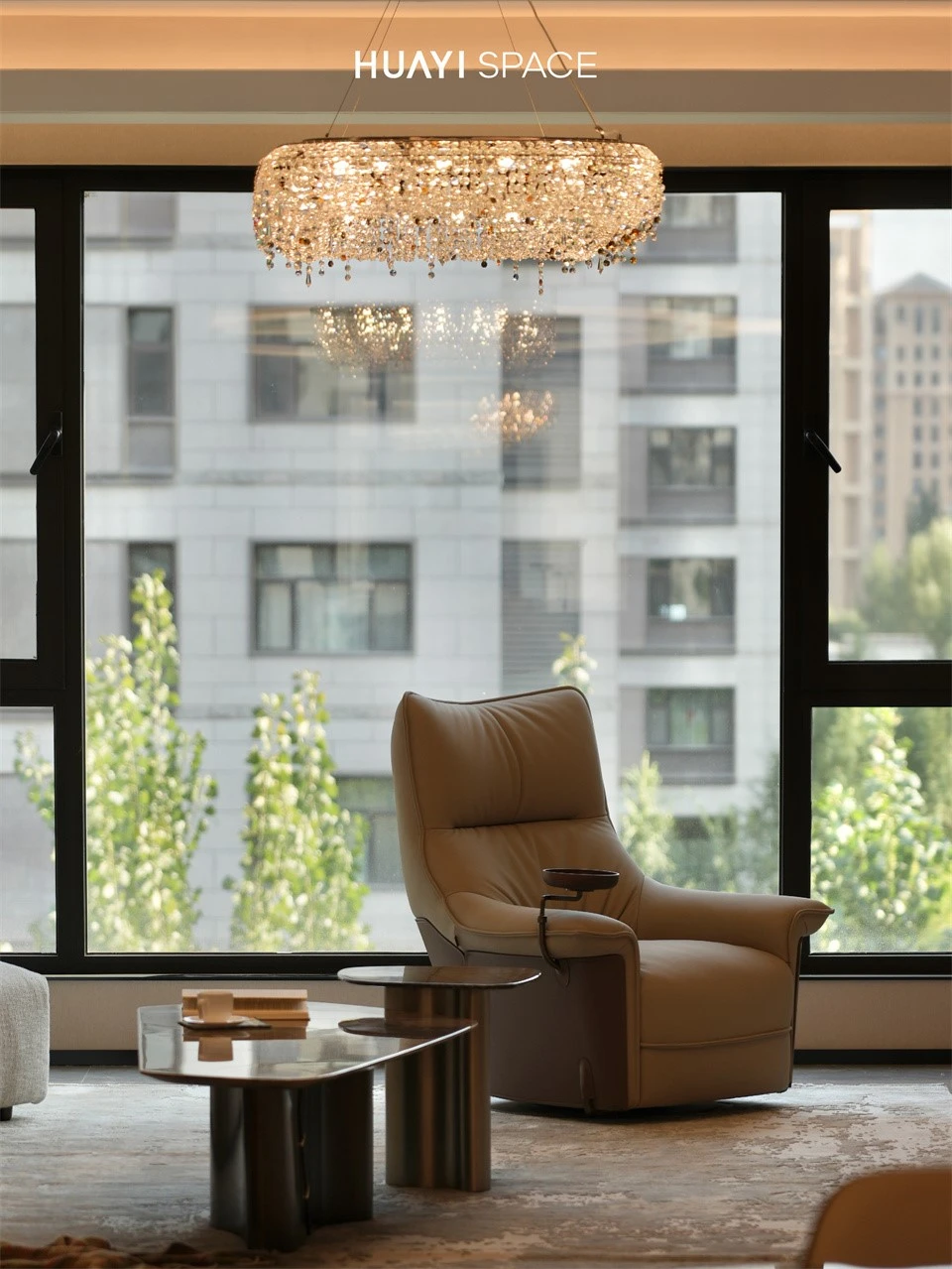
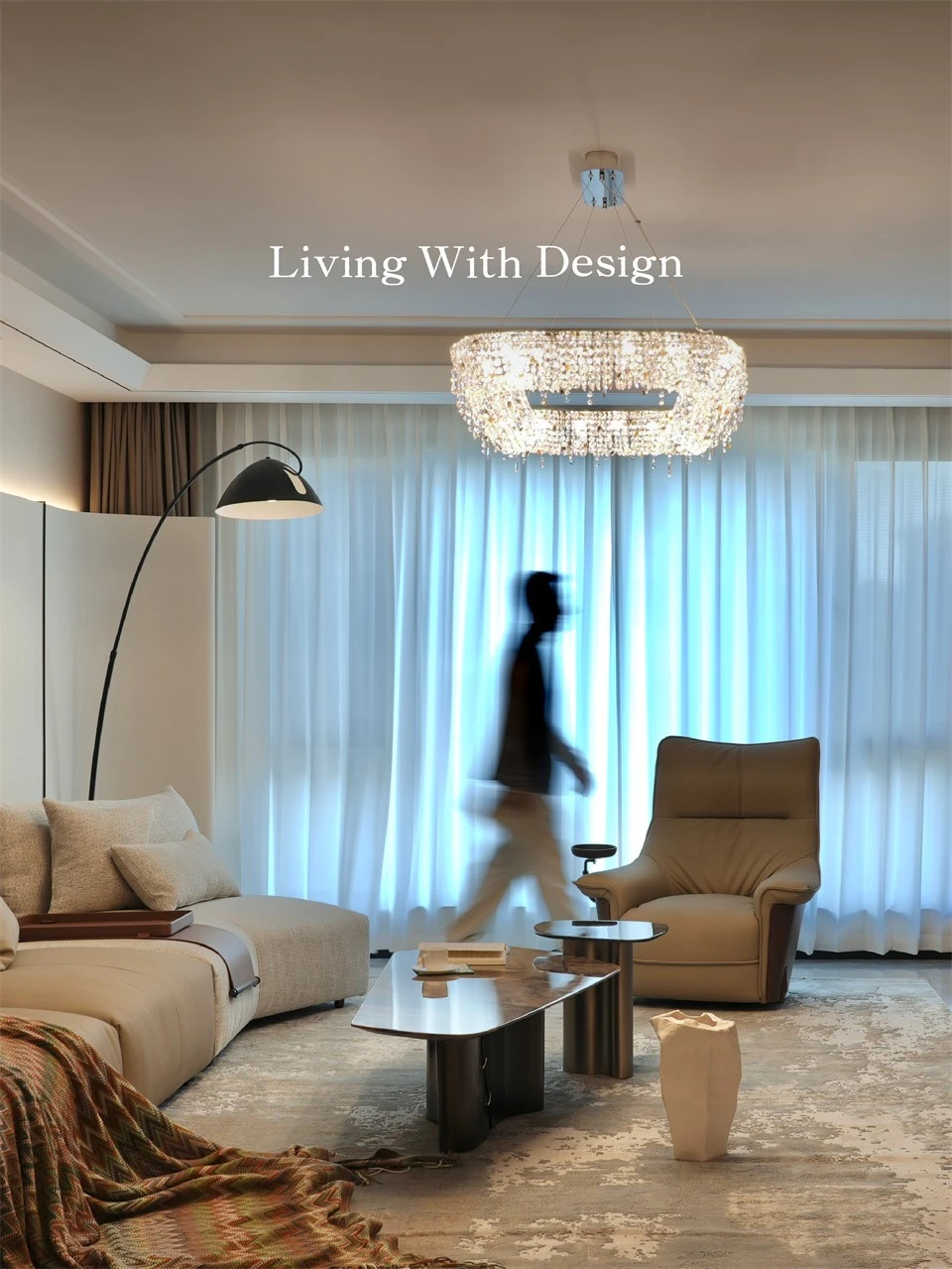
Today's consumers, including the increasingly influential Gen Z and millennial demographics, are redefining what makes a product "premium." They are looking beyond aesthetics to demand authenticity, sustainability, and functional excellence.
Sustainability as a Premium Differentiator: Modern luxury buyers prioritize ecological responsibility. Retailers can leverage this by offering sustainable furniture made from ethically sourced materials, such as FSC-certified woods, reclaimed exotic woods, or natural fibers. Transparency in sourcing and production builds trust and elevates the brand's luxury cachet.
Functional Innovation: Premium positioning also hinges on integrating smart technology and ergonomic design seamlessly into luxury aesthetics. As remote work continues to shape lifestyle patterns, there is a growing demand for multifunctional, space-saving furniture that merges comfort with efficiency. High-end pieces that feature subtle tech integrations or adaptable modular designs meet these practical needs without compromising on style.
Creating an Immersive and Luxurious Customer Journey
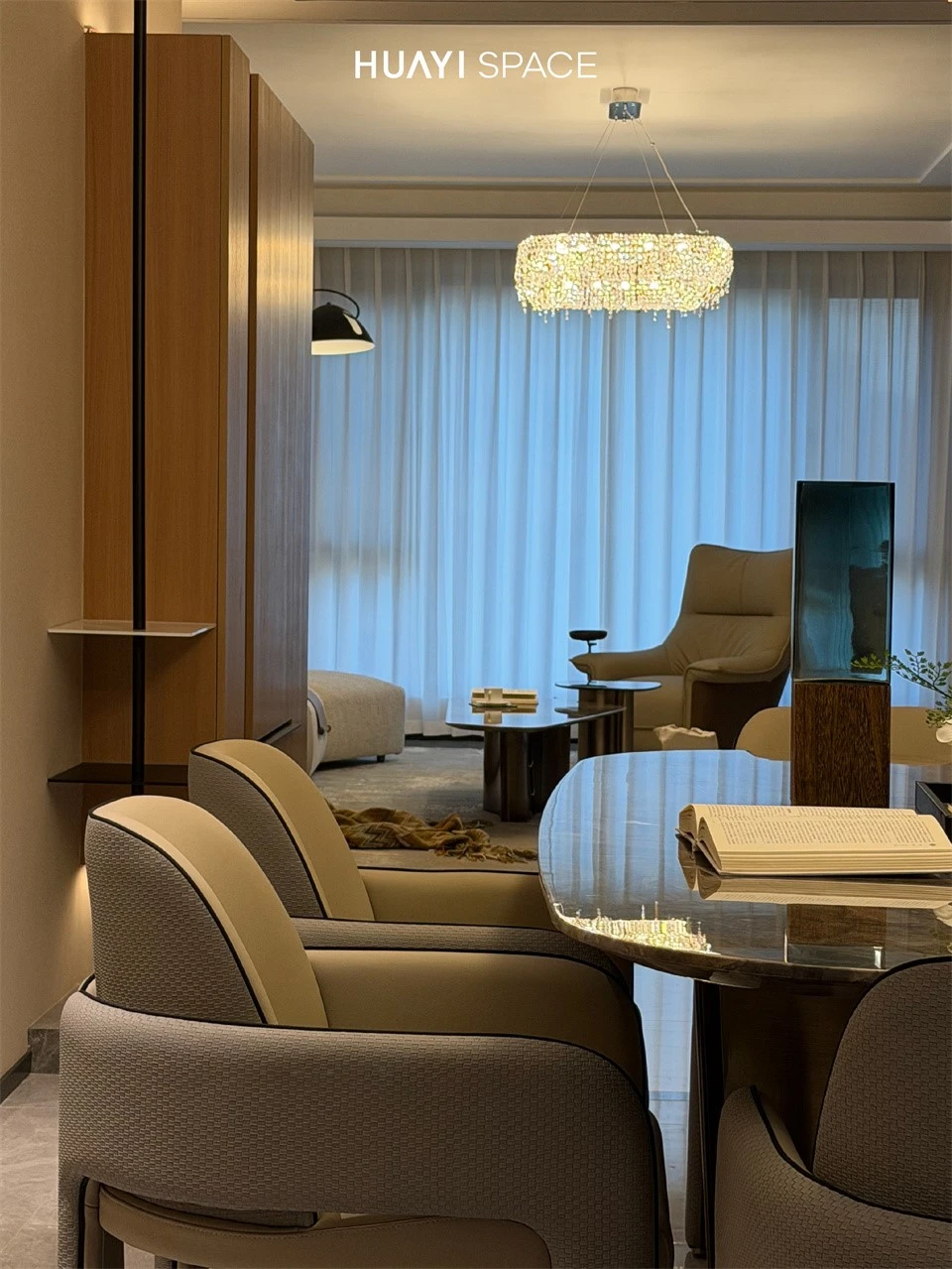
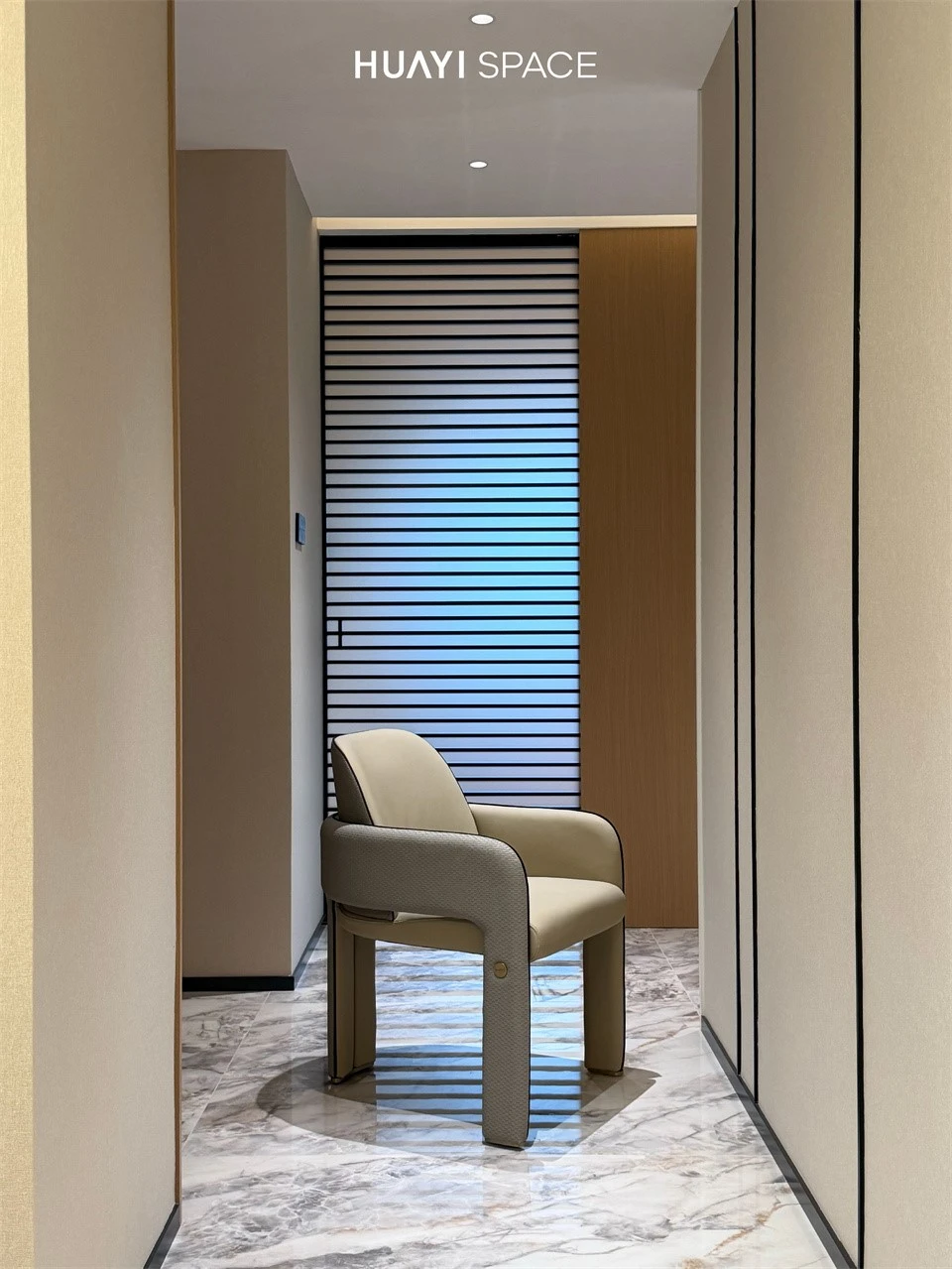
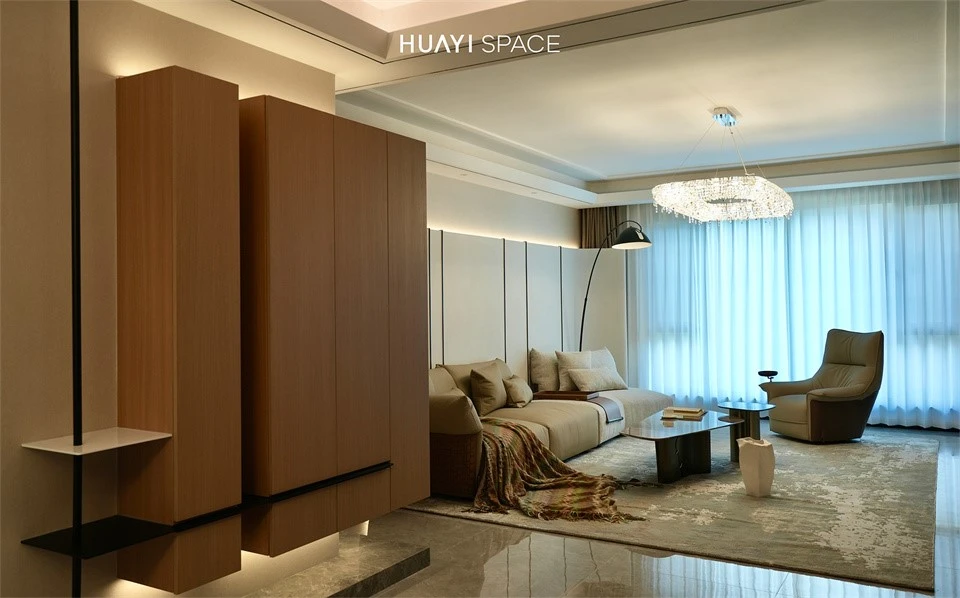
In the digital age, the physical retail experience must offer what online-only retailers cannot: a personalized, immersive, and engaging environment. Premium retail thrives on making customers feel valued. Retailers should invest in creating elegant, art-gallery-inspired showrooms with premium lighting and ambiance. Furthermore, leveraging technology like AR/VR tools for virtual furniture placement can bridge the gap between online browsing and in-store confidence. Offering personalized services, such as virtual design consultations, bespoke customization, and white-glove delivery, ensures that every touchpoint echoes premium status. This seamless, luxurious customer journey is critical for driving in-store traffic, increasing conversion rates, and reducing product returns.
Strategic Scarcity and Exclusive Collaborations
To maintain a premium positioning and compel urgency, retailers can introduce scarcity through limited editions and exclusive collections. Collaborating with renowned interior designers, artists, or lifestyle influencers to create curated capsule collections heightens brand desirability and generates valuable social proof. These strategic alliances amplify credibility and reinforce the luxury narrative. By releasing small-batch, numbered collections with personalized certification, retailers deepen emotional ties and buyer passion, effectively distinguishing their offerings from mass-market alternatives.
Conclusion: The Strategic Imperative of Premiumization
Ultimately, choosing to sell premium furniture over competing on price is a strategic imperative for sustainable growth. It requires a holistic approach that integrates superior materials, authentic craftsmanship, immersive retail experiences, and a compelling brand story. By focusing on high-value products and exceptional service, furniture retailers can attract high-spending consumers, build enduring brand equity, and thrive in an increasingly complex retail landscape. In a market where consumers are constantly trading up for quality and meaning, premiumization is the key to unlocking long-term profitability and brand prestige.