


Let's be honest – buying furniture for your home can feel overwhelming. There are so many options, so many price points, and so many opinions online. Do you go for high-end furniture that costs a month's rent? Or grab something cheap from a big‑box store and hope it doesn't fall apart in a year?
I've been there. I've bought the wrong sofa, the wobbly desk, and the "steal" that turned into a headache. So after years of trial and error, I've put together this no‑BS guide to help you pick home furniture that looks great, works hard, and actually fits your life. We'll talk about interior design basics, why original design matters, and how to pull off a minimalist interior without making your home feel cold. Plus, I'll share how to add luxury home decoration touches even on a normal budget.
A good interior design isn't about following rules – it's about creating a space where you actually want to spend time. And great interior design often starts with choosing the right pieces, which is where high-end furniture can make a real difference. But don't worry, you don't need to spend a fortune to get great interior design. Let's dive in.
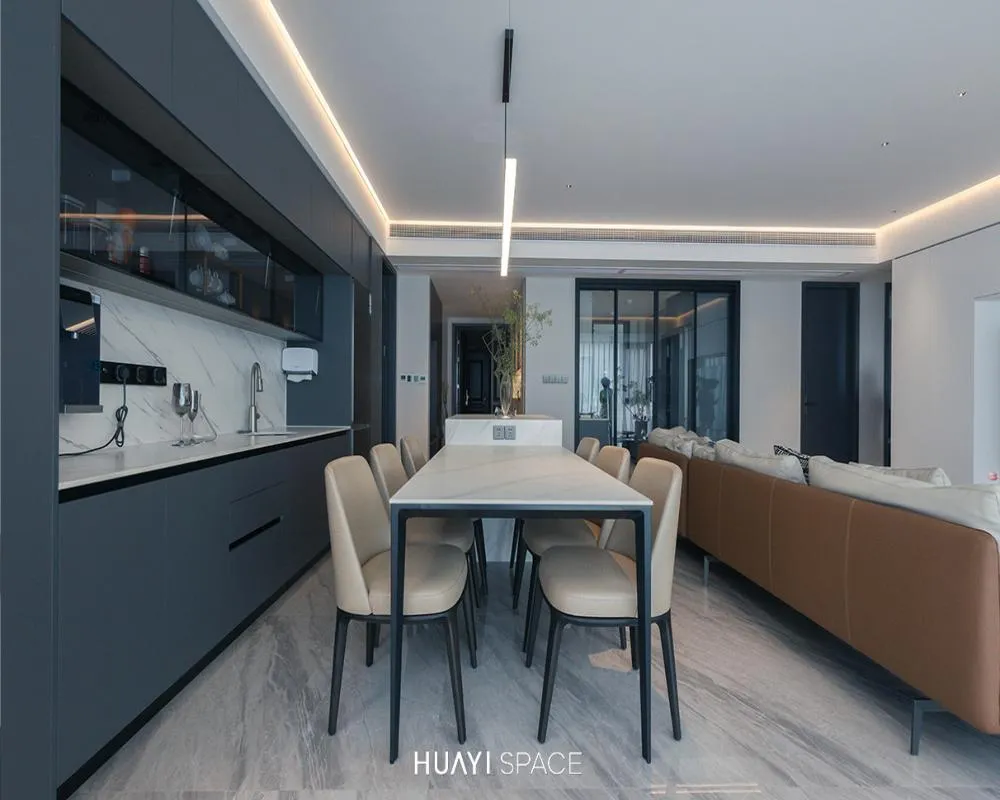
First, Forget "Perfect" – Think "Practical"
A lot of people get stuck because they want their home to look like a magazine. But magazines don't show the coffee spills, the dog hair, or the pile of laundry on the chair. Real homes are messy, lived‑in, and wonderful. And good interior design actually embraces that reality.
Before you buy anything, ask yourself three questions:
Who actually lives here? Kids? Pets? A partner who never uses coasters? Be honest. That white velvet sofa might look amazing in photos, but it'll be a disaster on day two. A smarter interior design choice would be a durable, stain‑resistant fabric.
How do you use each room? Is your dining table mostly for work and laptops? Then you don't need a fancy 8‑seater. Is your living room the main hangout? Then focus on a comfy, durable sofa first – ideally something from high-end furniture that will last.
What's your real budget? Not your "dream budget" – your actual, right‑now budget. It's okay to start small and upgrade later. Most people don't buy everything at once. But when you do upgrade, consider investing in high-end furniture for the pieces you use daily.
Once you've got those answers, you're ready to think about style, quality, and those fancy keywords we mentioned.
What Does "High‑End Furniture" Actually Mean?
You hear the term high-end furniture thrown around a lot. Some people think it just means expensive. But that's not really true.
High-end furniture isn't just about price – it's about materials, construction, and longevity. A solid oak table that lasts 30 years is high-end furniture, even if you found it secondhand for $200. A flimsy particleboard dresser that costs $1,000? That's just expensive junk.
Here's what real high-end furniture looks like:
Solid wood frames (oak, walnut, maple, cherry) – not veneer or MDF.
Dovetail joints on drawers – those little interlocking "fingers" that don't fall apart.
High‑density foam or feather‑down cushions – not the cheap foam that flattens in six months.
Metal hardware that feels heavy, not plastic.
You don't need every piece to be high-end furniture. But invest in the things you use every day: your bed, your main sofa, your dining table. For the rest (nightstands, bookshelves, accent chairs), you can mix in more affordable pieces. That balance is a smart interior design strategy.
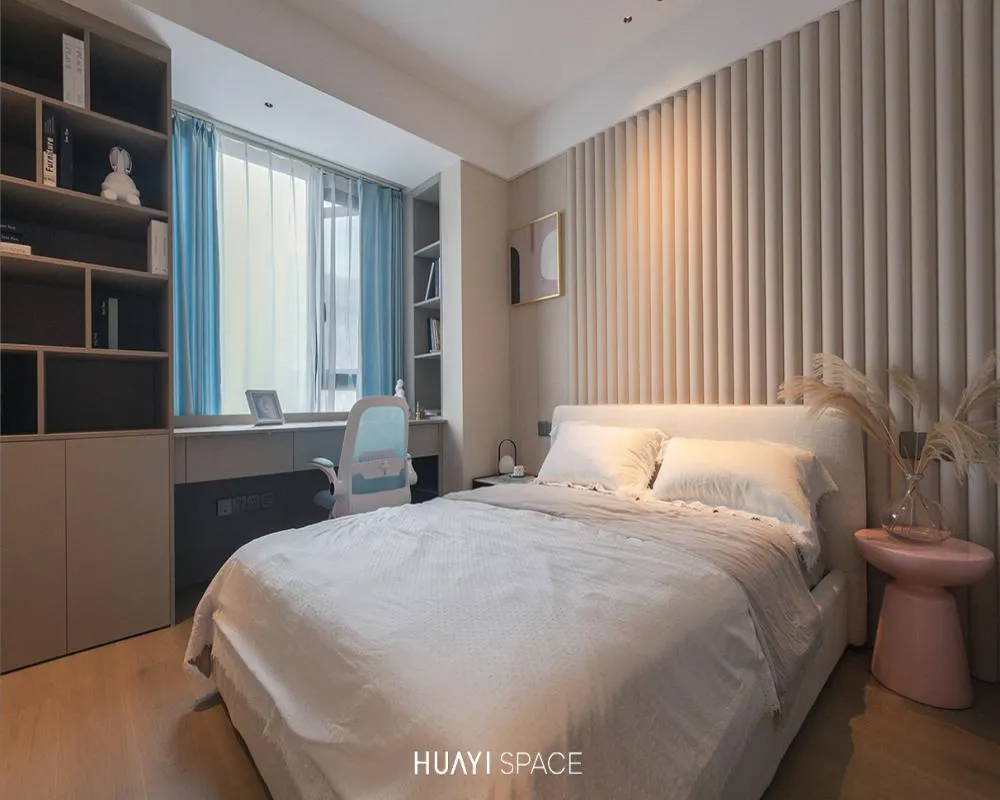
Why "Original Design" Matters More Than You Think
Walk into any big furniture store, and half the pieces look the same. That "mid‑century modern" chair? Everyone makes a version of it. That farmhouse table? Seen it a thousand times.
Original design means furniture that isn't just a copy of a copy. It has its own character – maybe a unique shape, an interesting material combination, or a clever function that you don't see everywhere. When you combine original design with high-end furniture, you get pieces that are truly special.
Why should you care? Two reasons.
First, original design tends to be better made. Designers who actually create something new usually care about quality. They're not just churning out whatever is trending on Instagram.
Second, original pieces make your home feel like yours. When a friend walks in and says, "Wow, where did you get that table?" – that's the magic of original design. It doesn't have to be wild or weird. It just has to be authentic.
If you can't afford a famous designer piece, look for small, local makers on Etsy or at craft fairs. Many of them produce truly original work at reasonable prices. And those pieces can sit right alongside your high-end furniture to create a layered, personal interior design.
The Truth About Minimalist Interior Design
A minimalist interior has become super popular. And also super misunderstood.
Some people think minimalism means empty white rooms with one tiny plant and a sad little chair. That's not minimalism – that's just cold and uncomfortable. Good interior design – especially minimalist interior – is about intention.
Real minimalist interior design means keeping only the things that add value to your life, and letting those things shine. You can have color, texture, and personality. You just don't have clutter. And within a minimalist interior, every piece of high-end furniture gets to be the star.
Here's how to create a minimalist interior that actually feels good:
Choose fewer pieces, but better ones. Instead of three cheap bookshelves, get one solid wood one that you love. That's where high-end furniture shines.
Leave breathing room. Don't push all your furniture against the walls. Give each piece a little space around it.
Hide the chaos. Baskets, cabinets, and closed storage are your best friends. A minimalist interior looks calm because the mess is out of sight.
Add one or two statement items. A colorful painting, an original design lamp, or a beautiful rug. Minimalist doesn't mean boring.
The best part? A minimalist interior saves you money in the long run. You buy less, but you buy better – often investing in high-end furniture for the few pieces you keep. And your home feels bigger and calmer without actually adding square footage. That's great interior design in action.
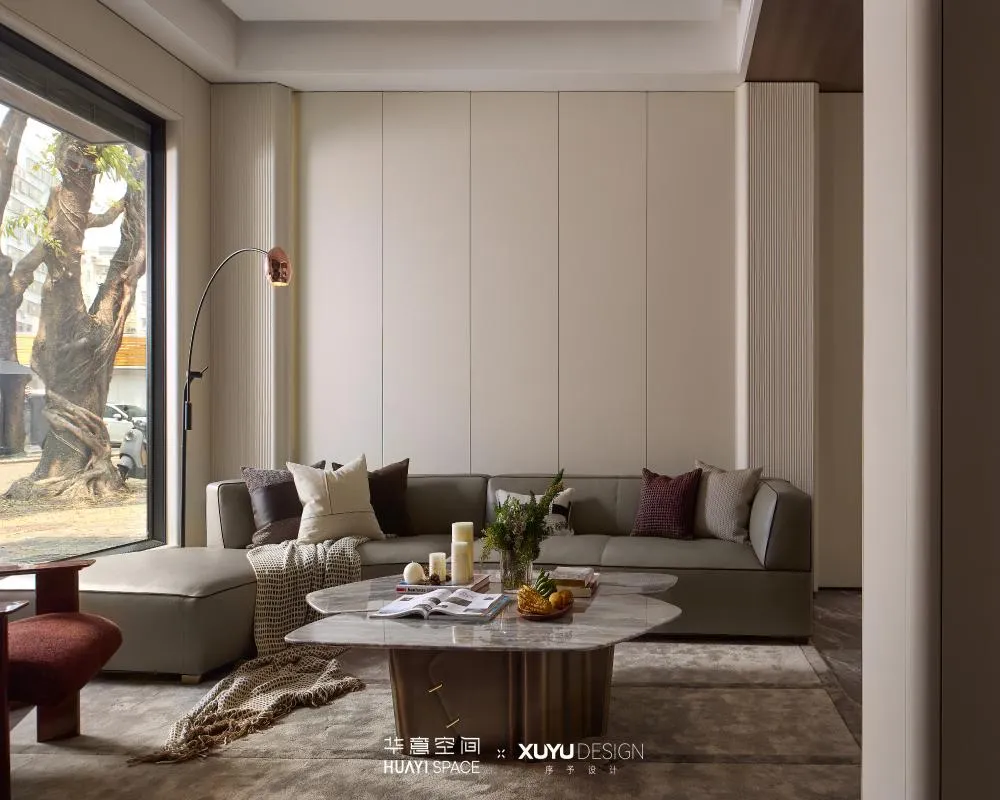
How to Bring in Luxury Home Decoration (Without Going Broke)
When people hear luxury home decoration, they think of marble floors, crystal chandeliers, and designer sofas that cost as much as a car. But real luxury is about feeling – not just price tags. And you can absolutely have luxury home decoration without filling your home with high-end furniture in every corner.
You can add luxury home decoration touches to any home, on any budget. Here's how:
1. Focus on textures
Luxury is soft, rich, and layered. Add a chunky knit throw, velvet cushions, or a faux fur rug. These small changes make a room feel expensive even if the sofa itself was a bargain. Pair that with one piece of high-end furniture – like a leather armchair – and your luxury home decoration instantly looks cohesive.
2. Upgrade your lighting
Harsh overhead lights kill a cozy vibe. Get a couple of table lamps or floor lamps with warm bulbs (2700K). Dimmers are even better. Good lighting is the cheapest luxury home decoration trick out there. It also elevates any interior design instantly.
3. Use natural materials
Stone, wood, linen, wool, leather – these materials feel rich because they're real. Swap out a plastic trash can for a metal one. Replace a synthetic rug with a wool or jute one. Small swaps, big difference. And natural materials are a hallmark of both high-end furniture and thoughtful interior design.
4. Edit, don't just add
Clutter is the enemy of luxury. A room with ten cheap, messy items looks less luxurious than a room with four beautiful, well‑placed ones. That's where minimalist interior thinking helps. And when those four items include a couple of high-end furniture pieces, the effect is even stronger.
5. Invest in one "hero" piece
You don't need everything to be fancy. Pick one item – a high-end furniture sofa, an original design coffee table, a stunning mirror – and let it be the star. Everything else can be simple and affordable. That one hero piece will elevate the entire interior design.
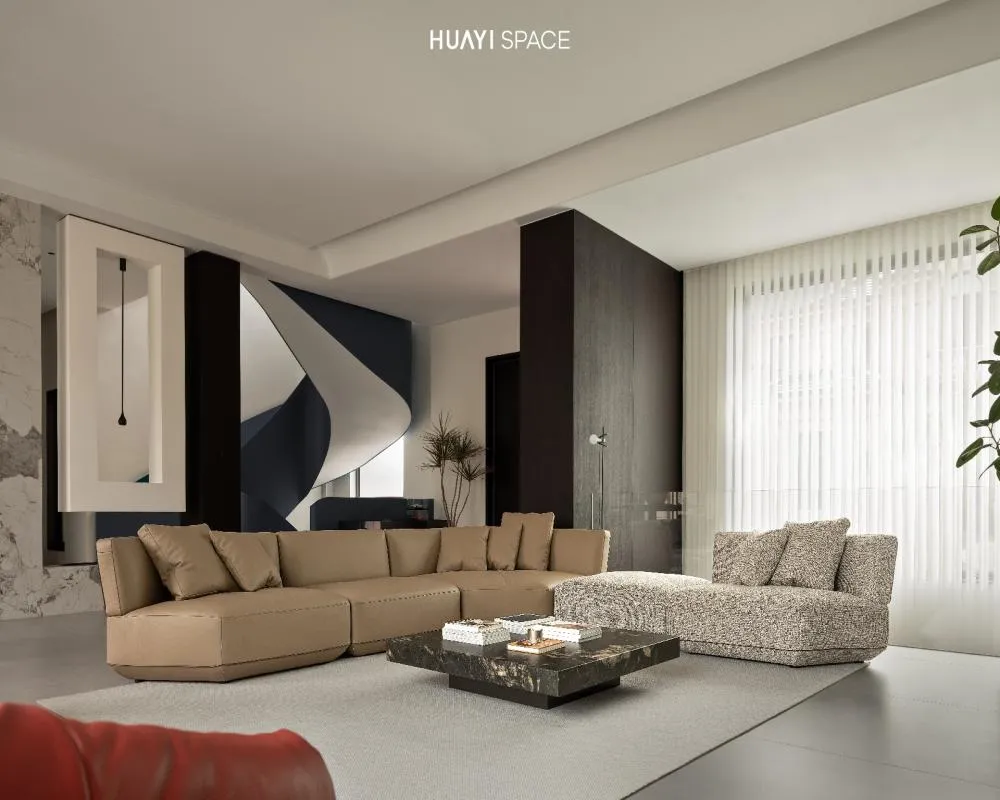
Putting It All Together: A Real‑Life Example
Let me give you a quick example of how all these ideas work together in a real home – say, a small living room. Good interior design is about balance, not perfection.
You start with a minimalist interior approach: you clear out the clutter, keep only the furniture you actually use, and leave some empty wall space. That already improves your interior design dramatically.
Then you choose one piece of high-end furniture – maybe a solid wood media console or a well‑made leather armchair. This piece costs more, but it's built to last and looks beautiful. It becomes the anchor of your interior design.
You add an original design accent – a handmade ceramic vase from a local artist, or a side table with a unique shape that you found on Etsy. Nothing crazy, just something with character.
For luxury home decoration, you bring in a velvet throw pillow, a warm lamp with a linen shade, and a wool rug. Suddenly the room feels cozy, rich, and expensive – even though most of the items were reasonably priced. The high-end furniture piece ties it all together.
And for the interior design overall? You make sure everything flows. The colors work together, the furniture is scaled to the room, and there's a clear path to walk through. That's good interior design – it's not about rules, it's about making the space work for you. Whether you have mostly high-end furniture or a mix, the principles are the same.
A Quick Checklist Before You Buy
Before you click "add to cart" or hand over your credit card, run through this list:
Does this piece fit my actual space? (Measure doorways, hallways, and elevators too!)
Is the material right for my lifestyle? (Kids? Pets? Clumsy adults?)
Can I see at least five years of use from it? If not, consider saving up for high-end furniture instead.
Does it work with the other furniture I already have? That's basic interior design.
If it's a big purchase, does it have a good warranty or return policy?
Does this piece bring me genuine joy, or am I just buying it because it's trendy?
Final Thoughts: Your Home, Your Rules
Look, you don't need to be an interior design expert to create a home you love. You don't need to spend a fortune on high-end furniture or fill your space with stuff that doesn't feel like you. But understanding a few key ideas – like what makes high-end furniture worth the money, and how interior design principles can guide your choices – will save you time, money, and regret.
Start small. Buy the best you can afford, even if that's just one good piece of high-end furniture at a time. Look for original design that speaks to your personality. Try a minimalist interior approach if you're tired of clutter. And sprinkle in a few luxury home decoration touches – a soft blanket, a warm lamp, a natural material – to make it all feel special.
Most importantly, remember that your home is for living, not for impressing strangers on the internet. A scratched dining table that has hosted dozens of happy meals is more beautiful than a perfect one nobody touches. And even that scratched table could be a piece of high-end furniture that you'll love for decades. That's the beauty of thoughtful interior design.